My memories
Benefit of water to the brain
Posted in 2013
Nearly 60 percent of the average human body is made up of water; in many ways, we are water. Three-quarters of the brain and heart are made up of water, 83 percent of the lungs are water, and even dry, brittle bones consist of 31 percent water.Drinking enough water each day, then, is way more important than it seems. Water lubricates bones and joints, regulates body temperature, and nourishes the brain and spinal cord. Without water, you’ll quickly lose energy, see a drop in mood and blood pressure, and feel your skin getting drier. Chronic dehydration — which refers to not drinking enough water over a long period of time — can contribute to disorders like diabetes, weight gain, skin problems, high cholesterol, high blood pressure, digestive issues, fatigue, and constipation.Hydration is something to take seriously, though we probably often go through every day never realizing how dehydrated we are. A new video from TED-Ed describes the bodily processes involved when you don’t drink enough water — or when you drink too much.When your body gets dehydrated, sensory receptors in the brain’s hypothalamus — an area that’s referred to as the thirst center — signal release of an antidiuretic hormone. This hormone reaches the kidneys and triggers aquaporins, special channels that allow blood to retain more water, making less water leave your body. This shows up as darker urine when you pee. Dehydration can have an impact on many parts of your body; it can cause fatigue, lowered cognitive function, mood issues, a drop in blood pressure, and skin moisture.A dehydrated brain actually shrinks due to lack of water, and it has to work harder to accomplish the same as a hydrated brain. In fact, the brain activates coping mechanisms to maintain function in extreme dehydration, though this can only last so long: If you stop drinking water completely for days, your body will experience even more severe effects and eventually death.So if dehydration can have such negative effects on our bodies, how much water should we really be drinking each day? According to 2013 data, some 75 percent of Americans likely suffer from chronic dehydration. Previously, scientists encouraged people to drink 8 glasses of water per day, but the amount of water we should drink every day depends on our weight and environment: around 2.5-3.7 liters of water for men, and 2-2.7 liters of water for women, the TED-Ed video notes.Increasing your water intake by just 1 to 3 cups per day could boost your ability to maintain your weight, cut calories, and stick to a healthy diet, according to a recent study. Not to mention it will help you focus, stay energized, and prevent the long-term adverse effects of chronic dehydration. The brain is one of the most important organs in your body to keep fueled. It is approximately 85 percent water and brain function depends on having abundant access to water. Water gives the brain the electrical energy for all brain functions, including thought and memory processes. According to Dr. Corinne Allen, founder of the Advanced Learning and Development Institute, brain cells need two times more energy than other cells in the body. Water provides this energy more effectively than any other substance. Water is also needed for the brain's production of hormones and neurotransmitters. Nerve transmission requires one-half of all the brain’s energy. When your brain is functioning on a full reserve of water, you will be able to think faster, be more focused, and experience greater clarity and creativity. If you are trying for Pregnancy you should practice drinking enough water which will be sufficient to your unborn child thus after pregnancy you should drink enough water to meet the requirement of your body and your unborn child. If your unborn child get enough water his brain functions will be improved before birth...i.e. intelligence, thinking power etc..My advise1.... Approximately two-thirds of the adult human body is made of water. And did you know your tissues and organs are mainly made up of water? Your brain is 80% water, your muscles (including your heart) are 75% water, your blood is 83% water, your lungs are 90% water, your skin is 64% water, and even your bones are 30% water2.. Water is important to your brain Since your brain is mostly water, drinking it helps you in a number of ways, including:
Improving concentration and cognition
Helping to balance your mood and emotions
Maintaining memory function
Increasing blood flow and oxygen to your brain
Preventing and relieving headaches
Reducing stress
Drink sufficient water to protect your self particularly your brain
Birth defects published in CBD Journal Brought to U.... http://successgain.us and http://successgain.info My Memories Birth defects published in CBD Journal April 30, 2015 · The following are published CBD ratevaluesin peered reviewed journals. Data of these articles are taken from epidemiological studies conducted by medical college faculty members and / or specialists in Major State Hospitals in Iraq. 12.3/1000 birth in maternity and children’s hospital in Baghdad ; 8.6/1000 birth in Ramadi General Hospital, 2008 ; 4.7/1000 birth in Dohuk, Kurdistan Region, Iraq, 2004-2008; 8.4/1000 birth only (NTD) in Diwania, 2000 ; 3.06/1000 birth in Arbil, Kurdistan Region, Iraq ; 50/1000 birth in Fallujah General Hospital, 2010 ; 23-48/ 1000 birth in Basrah Maternity Hospital, 2003-2011 ; 27/1000 birth in Najaf 19.3/1000 birth in Al Qaiem District, Anbar, 2009-2011 Birth defects are caused due to unhealthy food, unhealthy life style etc..It is in you ...
Benefits of Minerals ..1 Brought to U.... http://successgain.us and http://successgain.info 2.... Major vs. Trace Minerals Minerals that are considered vital to good health, fitness, and mental well-being are divided into two primary groups: major minerals and trace minerals. Major minerals are considered minerals that the body requires in relatively large amounts and include calcium, chloride, magnesium, phosphorus, potassium, and sodium, and sulfur. The human body requires major minerals in larger quantities and are considered macro-minerals. On the other hand, trace minerals are required by the human body in much lower quantities and are considered micro-minerals. Trace minerals include chromium, copper, iodine, fluorine, iron, manganese, molybdenum, selenium, and zinc. In both cases, consuming an adequate level of both the major and trace minerals is required for good health and wellness. For a more detailed discus...
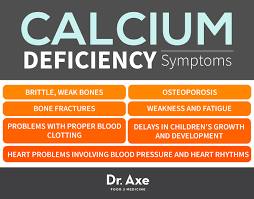
Calcium and Vitamin D are needed for you Brought to U.... http://successgain.us and http://successgain.info My memories Calcium and Vitamin D are needed for you Posted in 2014 Adequate calcium and vitamin D are deemed essential for the prevention of osteoporosis in general, including postmenopausal osteoporosis. Multiple studies of calcium supplementation in the elderly and postmenopausal women have found that high calcium intake may be of benefit for bone loss prevention, especially in the ankles, hips, and spine. Although calcium and vitamin D alone are not recommended as the sole treatment of osteoporosis, they are necessary additions to pharmaceutical treatments. The vast majority of clinical trials investigating the efficacy of pharmaceutical treatments for osteoporosis have investigated these agents in combination with calcium and vitamin D. So, although calcium alone is unlikely to have an effect on the rate o...


Comments
Post a Comment